
Mega bite
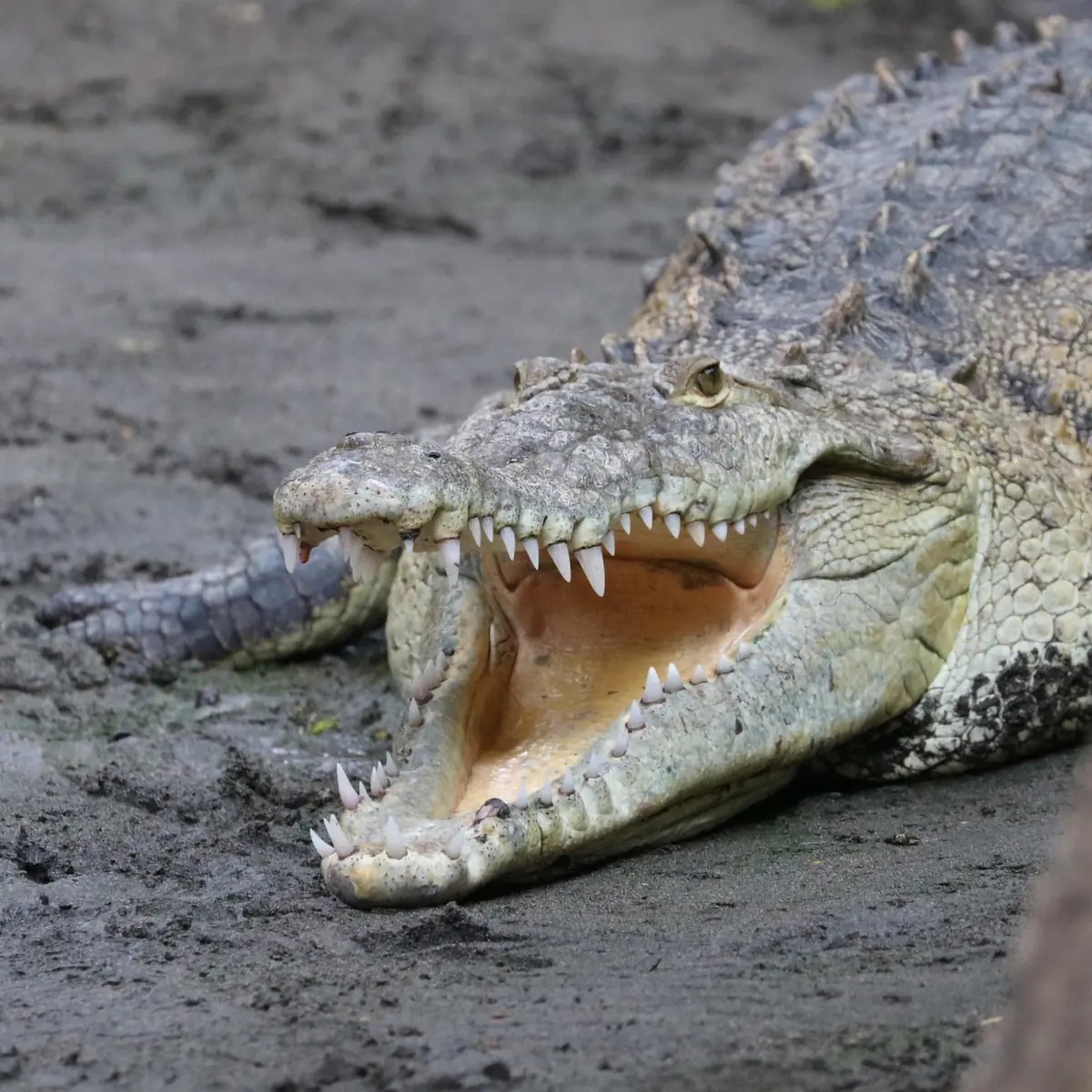
Crocodiles have one of the strongest bites in the animal kingdom — and tiny muscles that can hold the jaw shut.
The Sanctuary · Reptiles
Ancient guardians of Costa Rica’s rivers: crocodiles that have barely changed in 200 million years — and Diego, at 3.7 metres.
In the wild
Crocodiles have been on Earth for more than 200 million years, long before the dinosaurs disappeared. Their design has changed very little, because it works: eyes and nostrils above the surface, the rest of the body hidden below.
At Diamante you can watch them basking on the bank or gliding silently through the water — and walk the hanging bridges that pass directly over their habitat.
Fun facts
Biologists at Diamante share these facts with guests on every walk through the sanctuary.
Crocodiles have one of the strongest bites in the animal kingdom — and tiny muscles that can hold the jaw shut.
A crocodile can grow more than 3,000 teeth in a lifetime, replacing them continuously.
They can stay underwater for up to 15 minutes by slowing their heartbeat.
Bony plates called osteoderms cover the back, acting as armour and absorbing heat.
Crocodiles can live 70 to 100 years.
They cannot make their own body heat, so they bask to warm up and slide into the water to cool down.
Air-filled bones and specialised muscles let them float almost motionless, like a log.
They learn routines, remember feeding spots and can recognise familiar people.
Meet ours
These three came from rivers in the Tempisque basin, where fish farms gave them a constant food supply. Farm owners called the authorities, the animals were moved to other rivers, and they returned to their old territories.
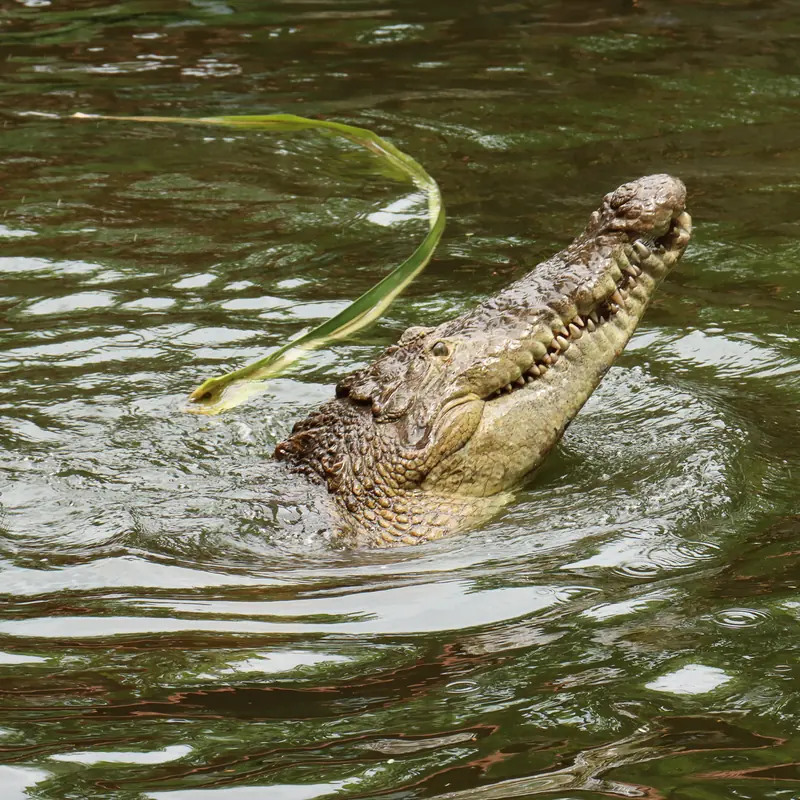
With the community threatening to kill them, the authorities decided a safer home where they could support environmental education was best for everyone. Diego, the largest at 3.70 metres, is easy to spot from the hanging bridges.
No. They live in a secure habitat with water and land, and visitors stay on paths and hanging bridges above it.
They had become a conflict animal in the Tempisque basin. Relocation to a safe, educational setting protects both the crocodiles and the community.