
Masked bandits
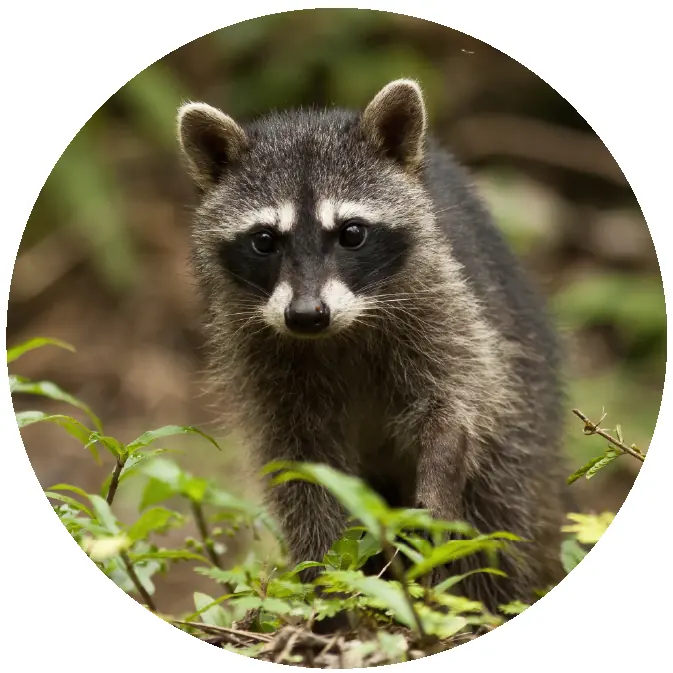
The black eye markings reduce glare and sharpen night vision.
The Sanctuary · Mammals
Clever night explorers with mask-marked faces and paws that can open almost anything.
In the wild
Raccoons are native to Costa Rica and live from the beaches to the forests. With their tiny hands, curious eyes and famous dark “masks”, they are among the cleverest animals in the rainforest.
At Diamante you can watch them exploring, climbing and using their quick paws to investigate just about everything — usually in search of a snack.
Fun facts
Biologists at Diamante share these facts with guests on every walk through the sanctuary.
The black eye markings reduce glare and sharpen night vision.
Nocturnal: they explore while other animals sleep, using hearing, smell and touch.
Front paws work almost like hands — sensitive enough to identify objects in the dark.
Dipping food in water is thought to be how they feel and learn about what they are eating.
Fruit, crabs, eggs, frogs, insects and fish are all on the menu.
Strong claws and flexible feet let them climb trees, rocks and fences.
The ringed tail helps with balance and signals how they feel.
They can unlock latches and remember solutions to problems for years.
Meet ours
Raccoons are common along the Pacific coast, including around hotels and beaches, where they find food easily. In the wild they help keep nature in balance by eating insects, small animals and fallen fruit.
In the sanctuary they show visitors the intelligence behind the mask: the dexterity, the memory and the curiosity that make raccoons so successful.
They are wild animals with sharp teeth and claws. Keep your distance, never feed them, and keep food out of reach on the beach.
This animal could not be returned to the wild. SINAC places rescued wildlife with facilities that can care for it permanently.