Blog
(506) 2105 5200
Hours & Directions Español
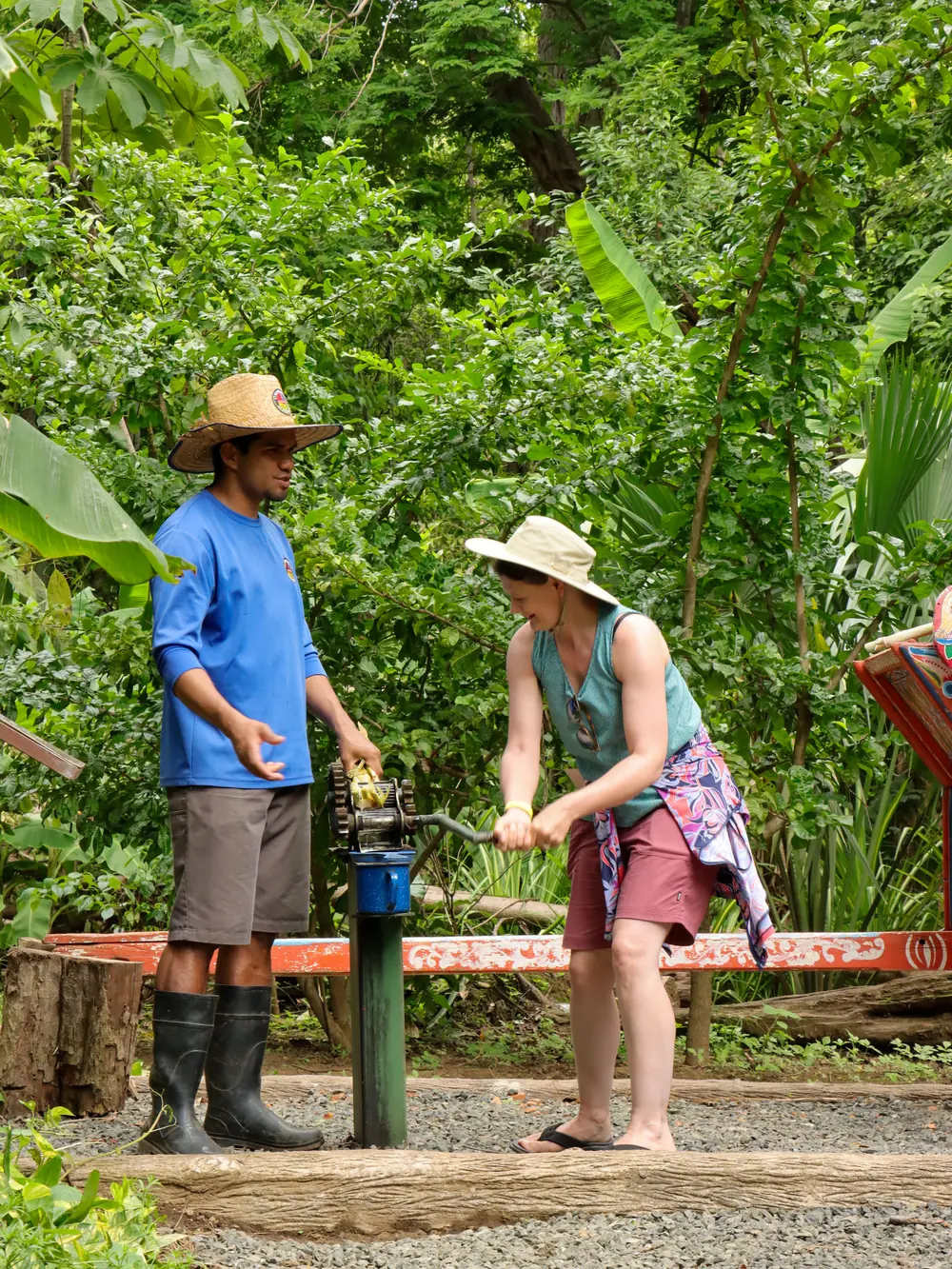
Two guests holding fresh sugar cane at the Traditional House in Guanacaste

Digital field guide

Rural Costa Rica: traditions, food and Pura Vida

The culture behind the Cultural Experience Tour — what Guanacaste’s farm families eat, celebrate and say, and why coffee, cacao and sugar cane still matter.

Pura vida

More than a greeting

“Pura vida” is what Costa Ricans say when they meet you, when they thank you and when they mean “it’s all good”. Translated literally it means “pure life”. In practice it is an attitude: unhurried, friendly, and more interested in the moment than the schedule.

In rural Guanacaste that attitude comes with a particular history. This is cattle country — the word sabanero means the cowboys who worked the plains — and for generations families here lived from cattle, corn, beans, coffee and cane. Much of what you taste at Diamante’s Traditional House is that life, kept alive on purpose.

Where to see it

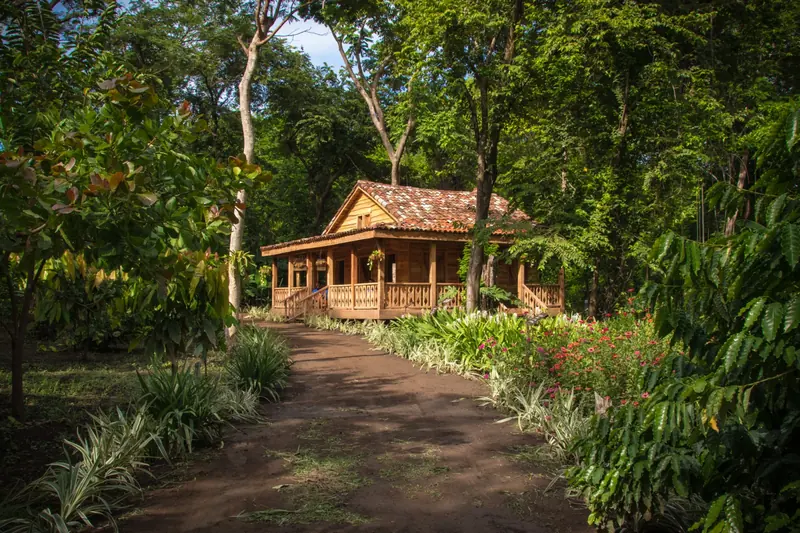
The Cultural Experience Tour takes you through the botanical garden to the Traditional House, where a guide demonstrates cacao, coffee and sugar cane with tastings.

Tour details & prices

Three crops

What the farmhouse is really about

Cacao, coffee and sugar cane each tell a different part of Costa Rica’s story.

Cacao

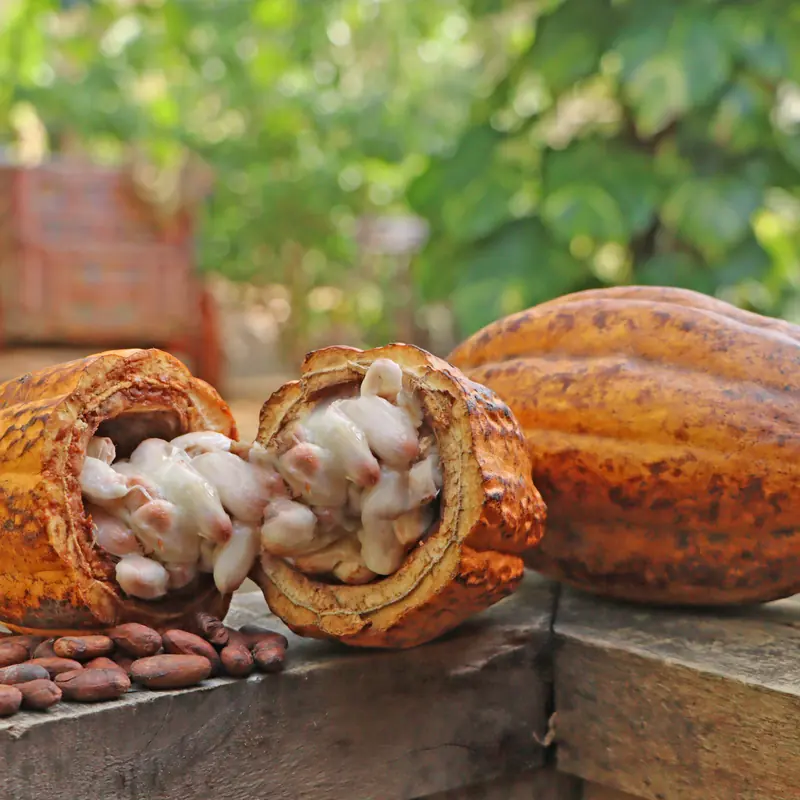
Cacao has been cultivated in this region for centuries, long before chocolate was a global product. The pods are opened, the beans fermented and dried, then roasted and ground. Cacao was so valuable that it was used as currency in parts of Mesoamerica.

Coffee

Coffee arrived in Costa Rica in the 1800s and reshaped the country’s economy. Costa Rican beans became famous for their quality, and coffee is still how many families describe the morning: un cafecito, a small cup, taken slowly.

Sugar cane

Cane is pressed for agua dulce, a warm, sweet drink that is the original energy drink of the countryside. The leftover fibre, bagazo, is dried and used as fuel.

Food

What Guanacaste eats

Costa Rican food is not spicy and rarely complicated. It is rice, beans, corn, plantain and whatever the sea or the farm gives that day.

  • Gallo pinto: rice and black beans fried together with onion, pepper and coriander. Breakfast, every day, with eggs and cheese.
  • Casado: the lunch plate — rice, beans, salad, plantain and a protein, usually chicken, fish or beef.
  • Chifrijo: rice, beans and crispy pork in a bowl, with tortilla chips.
  • Olla de carne: a slow-cooked beef and vegetable soup, eaten on Sundays.
  • Tortillas: thick corn tortillas, often made by hand and cooked on a hot plate.
  • Frescos naturales: fruit blended with water or milk — mango, papaya, pineapple, tamarind.

You will find gallo pinto, casado and fresh fruit at the ocean-view buffet at Diamante, alongside vegetarian and gluten-free options.

Hands opening a cacao pod during the cultural tour at Diamante

Calendar

Festivals worth planning around

Guanacaste has its own rhythm, and its biggest celebration is in July.

25 July — Annexation of the Partido de Nicoya

The day Guanacaste joined Costa Rica in 1824. The province celebrates with parades, marimba music, folk dancing, cattle shows and tope horseback processions.

Semana Santa — Easter week

The busiest holiday week of the year. Families travel to the coast, and the park and beaches are at their fullest.

Fiestas patronales

Every town has its patron saint festival, with processions, food stalls, bull riding in a traditional ring and late-night music.

Green season

From May to November the hills turn green and afternoon showers are common. Fewer crowds, cooler mornings, and the forest at its loudest.

Speak a little

Spanish words you will actually use

Rural Costa Rica vocabulary
SpanishMeaning
Pura vidaHello, thank you, it’s all good
BuenasThe standard greeting when you walk into a shop or a room
MaízCorn — the base of tortillas
Agua dulceFresh sugar cane juice
CafecitoA small cup of coffee
SabaneroA Guanacaste cowboy, from the plains
TrapicheThe mill that presses sugar cane
FincaA farm
PulperíaA small village shop
Gallo pintoRice and beans, the national breakfast
Buen provechoSaid to people who are eating
Con gustoYou’re welcome
The Traditional House at Diamante, built to match farmhouses from more than 100 years ago

Visit the house

The Cultural Experience Tour is guided, lasts about two hours and includes the Wildlife Sanctuary Discovery Pass.

Book the tour

Your day at Diamante starts here

Book a pass in a couple of minutes, or call (506) 2105 5200 and our reservations team will help you choose. Open daily, 8:30 a.m. to 4:30 p.m.